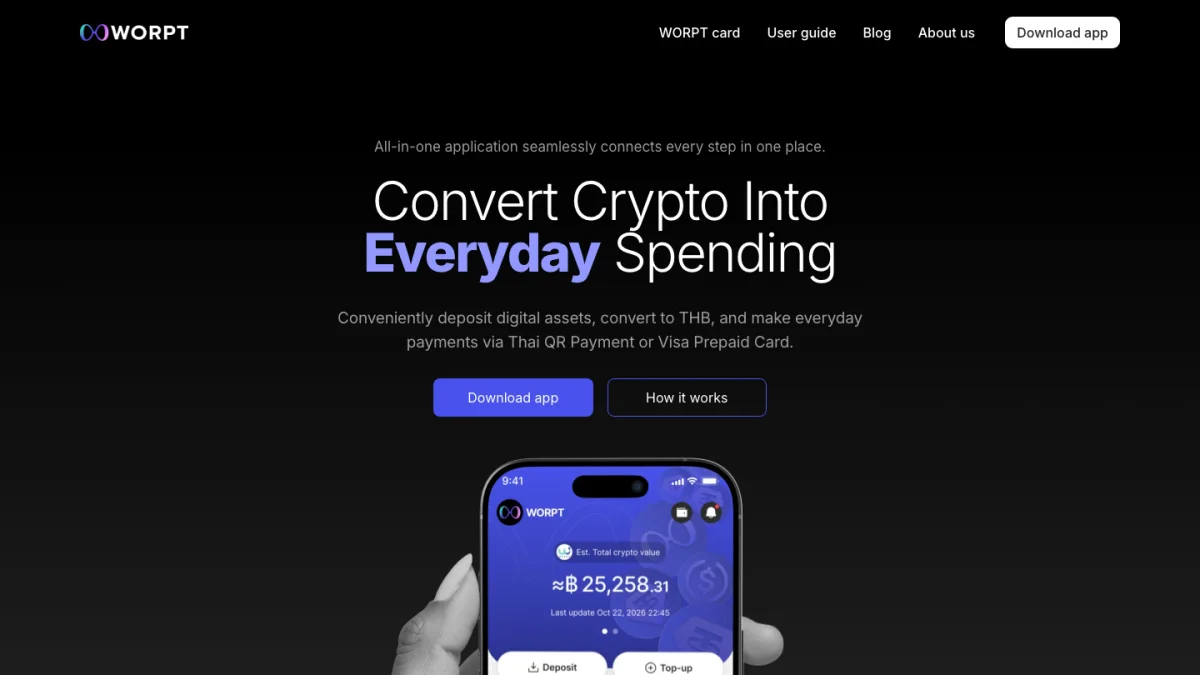
WORPT Wallet — Tourist DigiPay

A travel wallet that lets visitors pay with Thai QR—while keeping two regulated services aligned behind the scenes.

(Scroll)
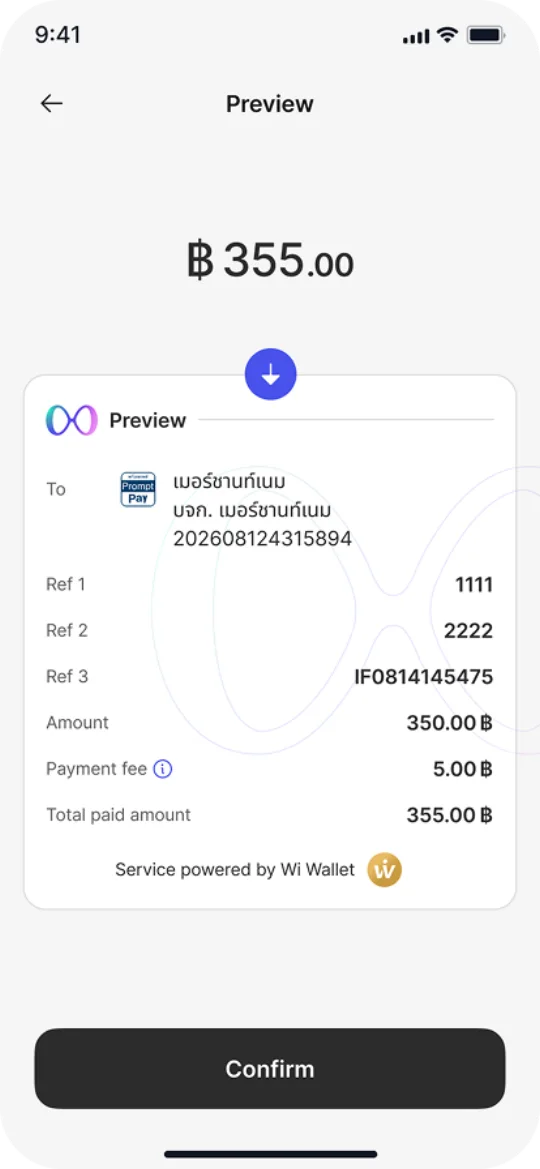
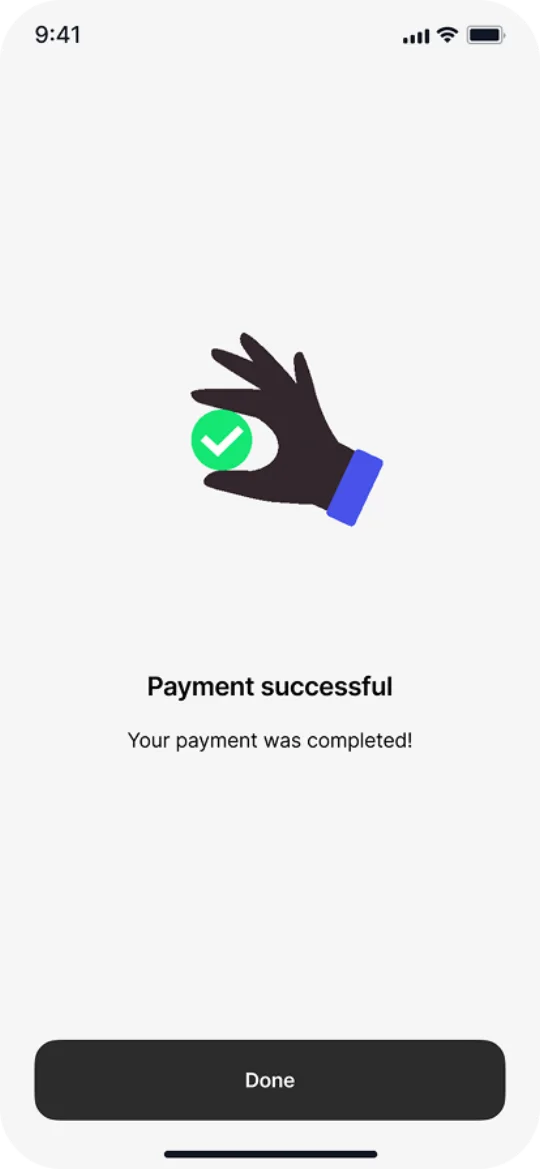
WORPT Payment slip
Crypto → Thai QR
Live in the sandbox

A travel wallet for visitors to Thailand who carry crypto, not a Thai bank account: they turn it into baht and pay like a local — by Thai QR or card.

Role
Senior Product Designer
Context
Tourist DigiPay — Thailand’s regulator-run trial for tourist payments
Status
Live · iOS ↗ Android ↗
Scope
Owned the product strategy end to end — the only designer, with AI as an assistant, across the app, the website and the staff tools.
Worked with
Product, business, compliance and engineering
(Chapter 1 · Overview)

WORPT gives international travelers a simple way to pay in Thailand while coordinating crypto and e-money services behind one wallet.

For travelers, it’s a familiar Thai QR payment.

For the business, it’s one customer journey across two licensed partners — with shared KYC, a single ledger and a complete audit trail underneath.

(What I owned)

One designer, with AI as an assistant, across five surfaces — each for a different group of people.

(Chapter 2 · The design challenge)

Make a two-regulator product feel like one wallet to travelers.

Most Thai merchants take QR payments. Visitors arrive with cards or crypto — not Thai banking apps. WORPT had to close that gap without showing travelers the regulation underneath.

  1. Let travelers pay Thai merchants with a familiar scan-and-pay flow
  2. Coordinate crypto and e-money services across two regulators
  3. Keep KYC, KYT and AML controls traceable without turning them into friction

The hard constraintIf KYC or KYT fails, the wallet can’t operate — so compliance had to be designed into the journey, not added after it.

(One wallet, two services)

Every action looks like the same app. Underneath, each belongs to a different licensed service.

Verify identity onceOne onboarding for the whole wallet
WORPTShared · KYC + 2 accounts
Deposit USDT or USDCFrom the traveler’s own wallet
WORPTDigital assets
Convert to Thai bahtAt a live rate
WORPTDigital assets
Top up the THB balanceThe spendable e-wallet
WORPTE-money
Scan a Thai QR and payThe merchant receives THB
WORPTE-money
Pay by cardA prepaid VISA card on the same balance
WORPTE-money
See every transactionOne activity list
WORPTShared · ledger + audit trail
Withdraw to an external walletBack to where the funds came from
WORPTDigital assets

Digital-asset custodian (securities regulator)E-money wallet (central bank)Shared orchestration layer

One orchestration layer, 2 licensed partners — shared KYC, dual account creation, a single ledger and one audit trail, presented to the traveler as a single app.

(Chapter 3 · Key decisions)

What I chose, and why.

  1. 1

    Make Thai QR payments feel familiar from the first use

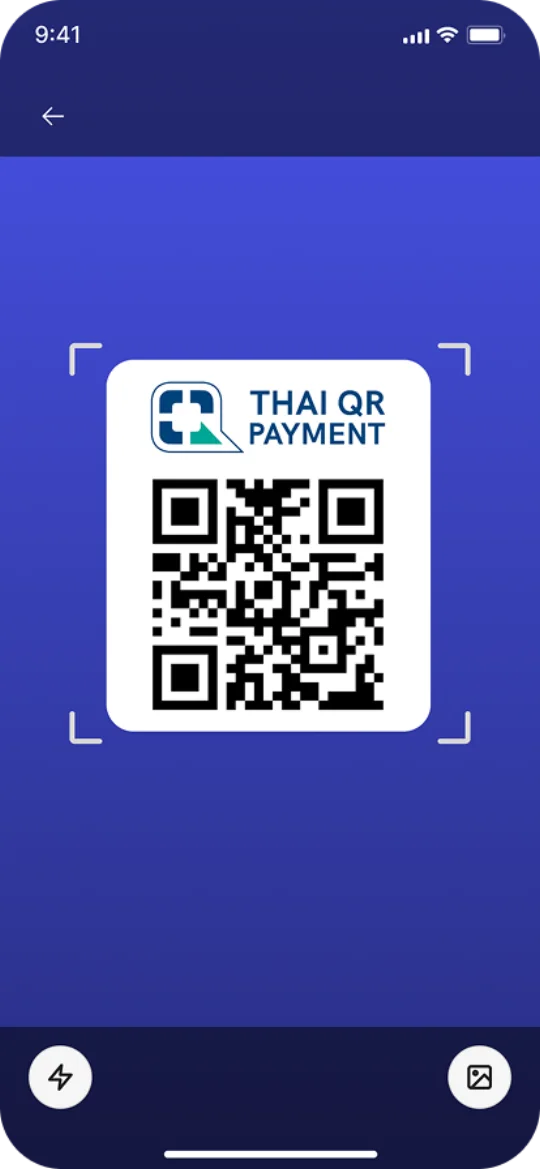
    WORPT mirrors the scan-and-pay of Thai banking apps on a spendable THB balance. The merchant sees a standard Thai QR payment; the crypto layer stays out of checkout.

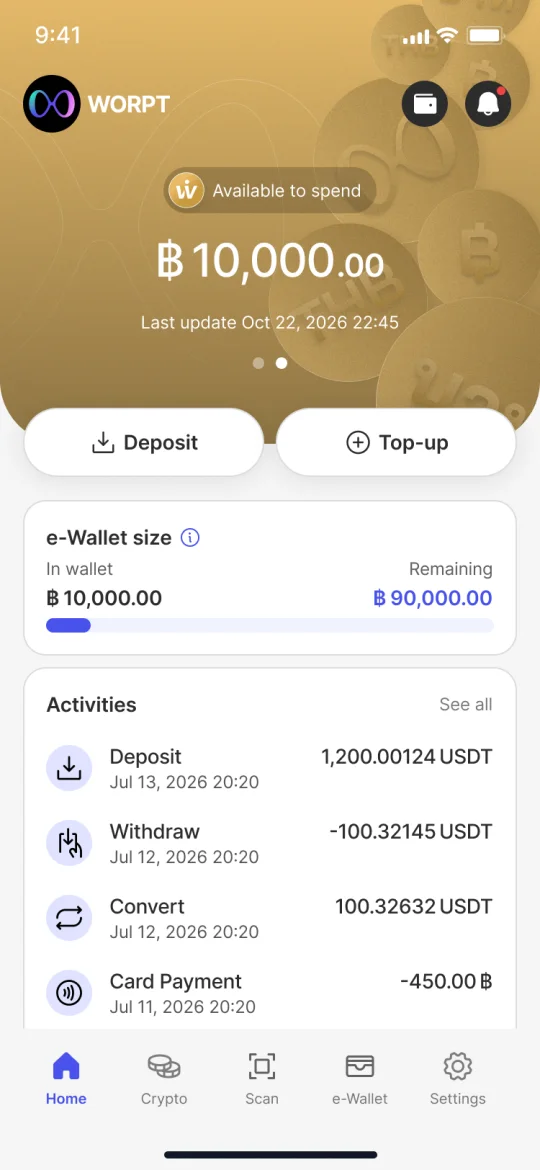
    WORPT home: the THB balance available to spend, shown at the top, with Deposit and Top-up

    Open the app

    Thai banking appLog in with biometrics
    WORPTThe THB balance is shown up front

    Same step

  2. 2

    Make two services feel like one wallet

    The two services run on different rules. I designed one wallet that names each provider where it matters — so travelers see a normal wallet, and each service keeps the disclosures and controls it needs.

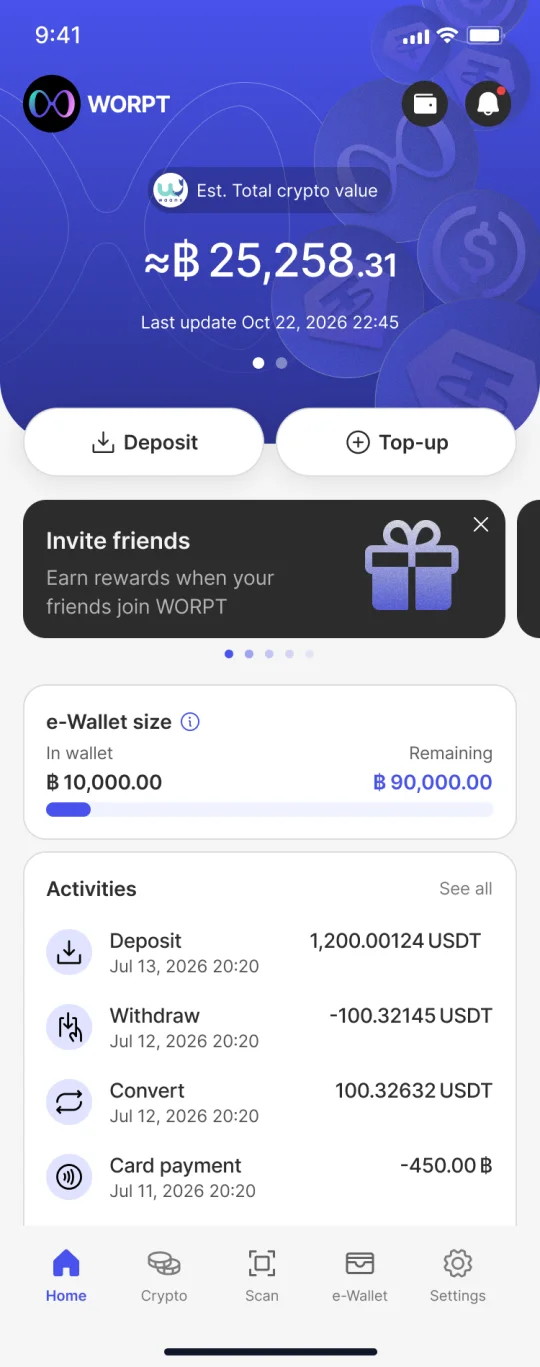
    • WORPT home: estimated crypto value in baht, Deposit and Top-up, the e-Wallet size and recent activity
      Digital assets
      Home: crypto value, shown in baht
    • WORPT home, second card: the THB e-wallet balance available to spend
      E-money
      Swipe: the THB e-wallet, same home

(Chapter 4 · How we worked)

Make compliance trade-offs visible before they become expensive.

One designer, with AI. With AI as an assistant, one person could cover five surfaces and still prototype every disputed flow.

Rules into scenarios. Regulation arrived as documents and open questions, not user stories. I turned each rule into a product scenario with product, business, compliance and engineering.

Two prototypes per dispute. One followed the most literal reading of the rule; one kept the same control in a usable flow. Seeing both made trade-offs concrete and cut late rework.

AI-assisted prototypes turned proposals into working proof fast, so discussions stayed grounded in real interactions.

(One rule, two readings)

Every service must name its provider — and where a journey crosses services, like top-up or convert, each part has to stay clear and separate.A disclosure rule from the sandbox, paraphrased.

The literal reading

Keep the services fully apart, and let the traveler move money between them.

  1. Convert crypto to bahtDigital-asset service
  2. Hold the baht in the crypto walletDigital-asset service✕ The crypto wallet can’t hold baht for the traveler
  3. Traveler tops up the e-wallet themselvesE-money service

Not possible as written.

Seamless, and still transparent

One top-up journey. It converts, then hands over to the e-money service — naming each provider at the moment it takes over. Nothing to move by hand, nothing hidden, nothing that breaks the rule.

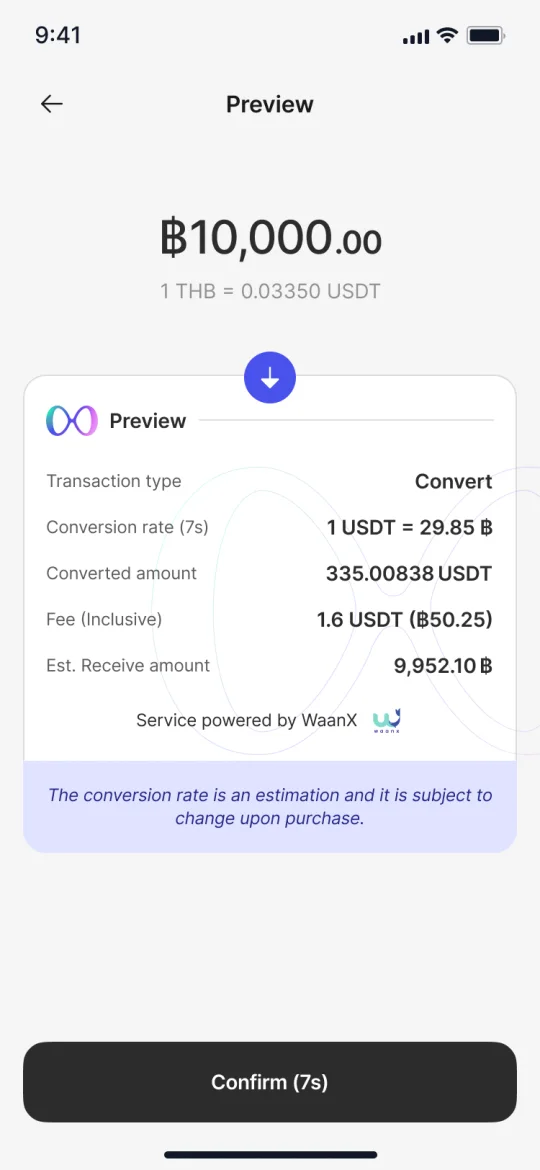
  • Convert preview: rate, converted amount, fee, and the line naming the digital-asset provider
    Digital assets
    Convert names its provider
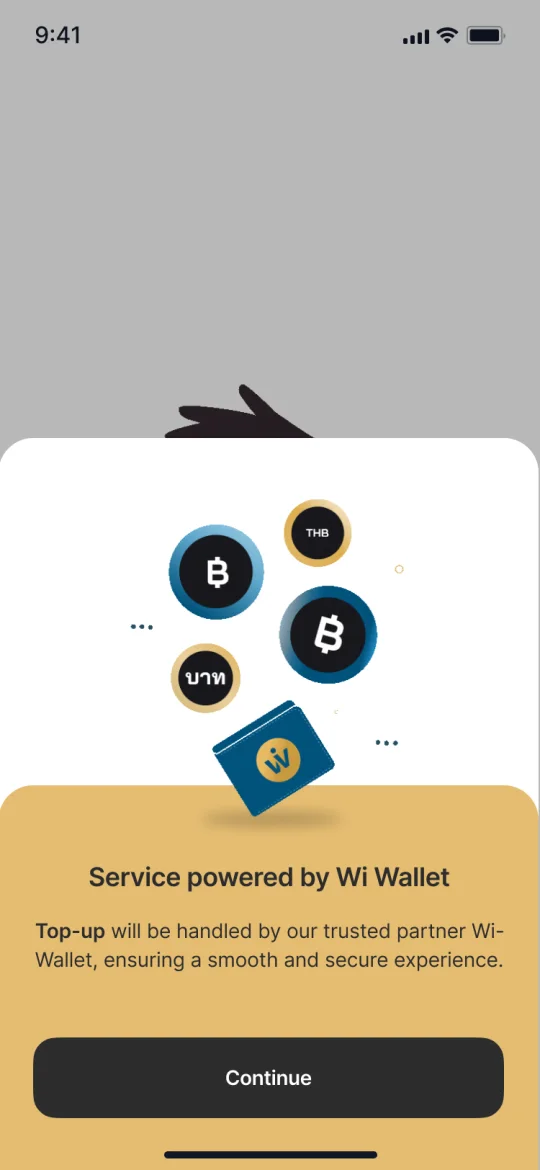
  • Top-up hand-off sheet: Service powered by the e-money partner, which will handle the top-up
    E-money
    Then says who takes over the top-up

Shipped — as seamless as the rules allow, as transparent as they require.

(Chapter 5 · Where it stands)

Live on iOS and Android — still inside the sandbox.

  1. DesignedOne experience over two licensed services
  2. Sandbox-approvedBy both regulators
  3. LaunchedOn iOS and Android, inside the sandbox

Two licensed partners now work through one customer experience, with one KYC journey, ledger and audit trail underneath — a wallet that behaves like one product, not two regulated systems.

(Chapter 6 · What I’d do differently)

In a regulated product, the constraint must enter the design process earlier.

How I startedIdeal first

  1. Ideal experience
  2. New rule arrives
  3. ↺ Rework

How I’d startCompliance first

  1. Non-negotiable requirement
  2. Most usable journey within it
  3. Fewer late changes

I designed for the ideal experience first, then worked back to the constraints — and each new rule meant rework. Switching to compliance-first gave stakeholders a clearer way to weigh trade-offs. Next time I’d start that way on day one: in a dual-regulated sandbox, the constraint is part of the brief.

(Next project) KYC Now